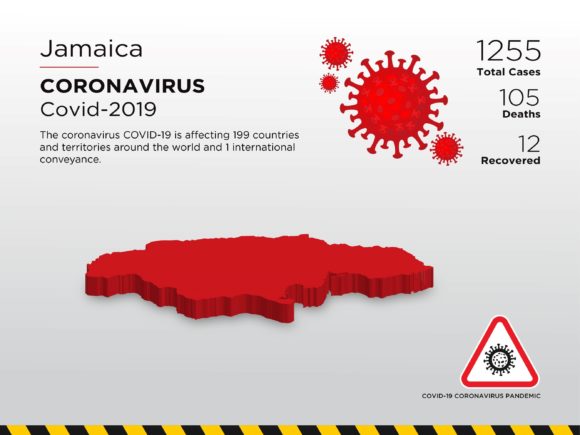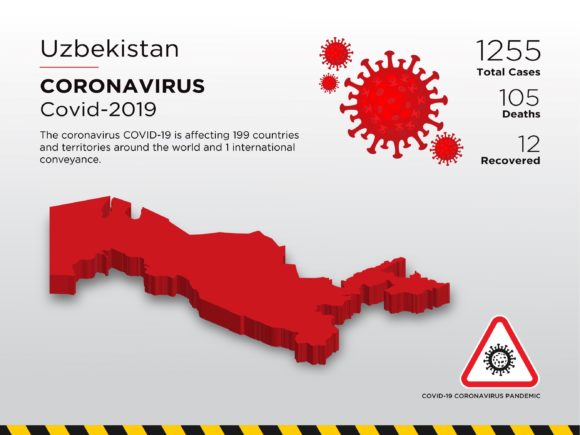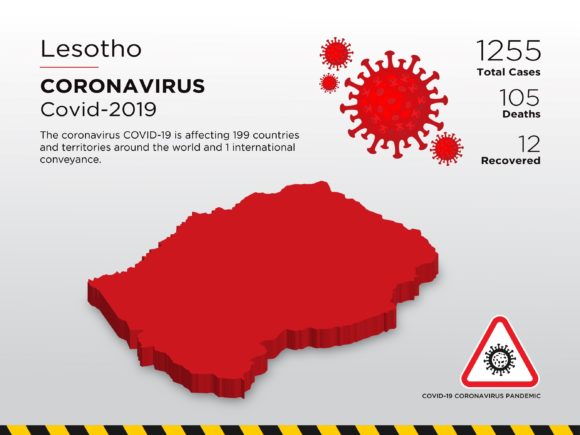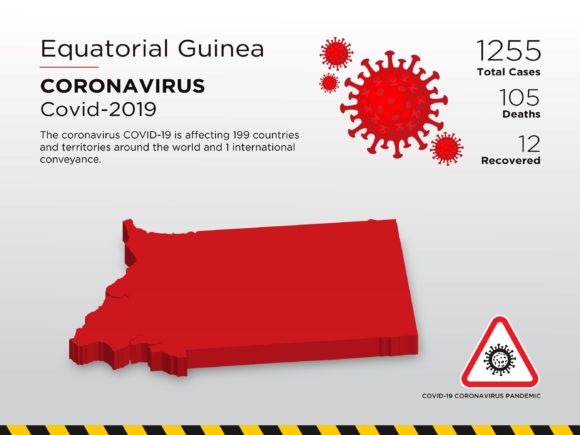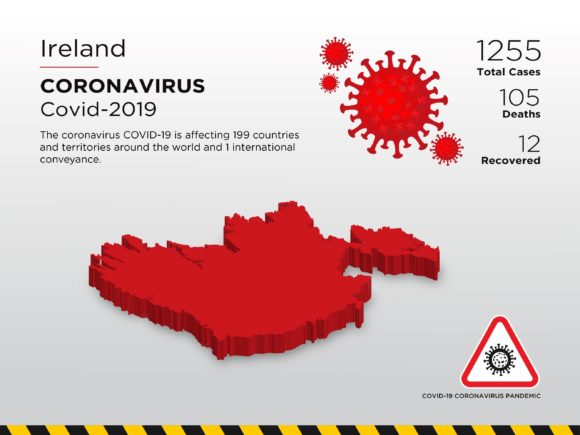
Ireland Affected Country 3D Map: A Visual Tool for Pandemic Communication
The Ireland Affected Country 3D Map is a specialized visual resource designed to represent coronavirus data in a spatial and impactful format. It provides a three-dimensional view of Ireland in the context of global pandemic statistics, making it a valuable asset for communicators, educators, and digital marketers. This type of visual is often used within broader infographics or social media banners to convey key metrics such as total cases, deaths, and recoveries in a clear and engaging way.
At its core, the Ireland Affected Country 3D Map serves as a component of the Coronavirus Post Infographics Design Template, a suite of tools aimed at simplifying the creation of pandemic-related content. Whether you're a public health official, a social media manager, or an educator, this map helps contextualize Ireland's position within the global picture of the pandemic. It supports data-driven storytelling by combining geographic representation with real-time or static statistics.
How the 3D Map Fits Into a Larger Workflow
Visual communication around public health issues like the COVID-19 pandemic often follows a structured workflow. It begins with data collection and analysis, moves into message formulation, and ends with content design and distribution. The Ireland Affected Country 3D Map is typically used in the final stages of this process—during the design and presentation phase—where clarity and visual appeal are essential.
Before the map is used, teams or individuals usually gather and verify the latest statistics from reliable sources such as the Health Service Executive (HSE) in Ireland or international platforms like the World Health Organization (WHO). Once the data is ready, the 3D map becomes a central visual element that can be layered with additional information such as charts, graphs, and textual summaries.
Practical Applications of the 3D Map Across Industries
For digital marketers, the 3D map is a powerful visual hook for social media campaigns focused on public health awareness. It can be integrated into a banner design that includes quarantine guidelines, vaccination updates, or local health advisories. When paired with strong calls to action, it increases engagement and shareability across platforms like Facebook, Twitter, and LinkedIn.
Educators and trainers may use the map in virtual classrooms or webinars to illustrate how the pandemic has affected different regions. By embedding the 3D map into a presentation or learning module, instructors can help learners grasp the geographic spread of the virus and understand its implications in a visual and memorable way.
Public health officials and local government agencies can incorporate the map into reports, dashboards, and informational posters. In this context, the map serves as a consistent visual reference that can be updated alongside new data releases, ensuring that the public receives accurate and visually cohesive information over time.
Integration with Other Tools and Resources
The Ireland Affected Country 3D Map is most effective when used in combination with other design and data tools. For example, it can be edited in Adobe Illustrator or similar vector-based software to customize colors, labels, or annotations. It is also compatible with platforms like Canva or Photoshop, making it accessible to both professional designers and non-designers alike.
When designing a full infographic or social media post, the 3D map can be layered with additional elements such as:
- Bar charts showing case growth over time
- Pie charts illustrating recovery and mortality rates
- Icons representing healthcare facilities, testing centers, or vaccine distribution points
- Text boxes with key messages or statistics
These components work together to create a comprehensive visual narrative. The map acts as the geographic anchor, while the other elements provide context and depth.
Workflow Tips for Using the 3D Map
Here are some practical steps for incorporating the Ireland Affected Country 3D Map into your design or communication process:
- Start with clear objectives: Determine what message you want to convey. Is the goal to inform, persuade, or educate? This will guide your choice of data and design elements.
- Verify your data: Use official sources to ensure accuracy. Misinformation can spread quickly, so it's important to double-check all numbers and references before publishing.
- Customize the map: Adjust colors to match your brand or campaign. You can also add or remove labels depending on your audience’s familiarity with the geography.
- Layer with supporting visuals: Combine the 3D map with other graphics that reinforce your message, such as trend lines or comparison charts.
- Optimize for platform: If the final output is for social media, ensure the file is exported in the correct resolution and format (JPEG or PNG). For print or reports, EPS files may be more appropriate.
Long-Term Use and Adaptability
One of the strengths of the Ireland Affected Country 3D Map is its adaptability. While initially designed for pandemic communication, it can be repurposed for other public health campaigns or even economic and environmental reporting. Its vector format ensures that it remains scalable and editable for future use.
For organizations that plan to use the map regularly, it's helpful to establish a template system. This means saving a version with consistent fonts, color schemes, and layout elements so that future updates can be made quickly and efficiently. This approach supports brand consistency and operational efficiency—two important factors in long-term content strategies.
Ensuring Quality and Consistency
Quality control is crucial when working with pandemic-related visuals. Because public health data evolves rapidly, it's important to have a process in place for updating graphics without compromising design integrity. Here are some best practices:
- Keep a version history of all map updates
- Label files clearly with dates and versions
- Use layers in your design software to separate the base map from dynamic data elements
- Establish a review process with relevant stakeholders before publishing
By following these steps, teams can maintain high-quality outputs while adapting to changing circumstances.
Conclusion: A Tool for Clear, Impactful Communication
The Ireland Affected Country 3D Map is more than just a visual asset—it's a tool for clarity, engagement, and informed decision-making. Whether used in a social media campaign, a public health report, or an educational presentation, it helps audiences understand the pandemic in a way that numbers alone cannot convey.
Its integration into broader workflows—supported by accurate data, thoughtful design, and strategic planning—makes it a valuable resource for professionals across industries. As the world continues to navigate health challenges, tools like this 3D map will remain essential for communicating complex information in an accessible and meaningful way.