Understanding Business Process Infographics: Design Templates That Simplify Complex Ideas
What Are Business Process Infographics?
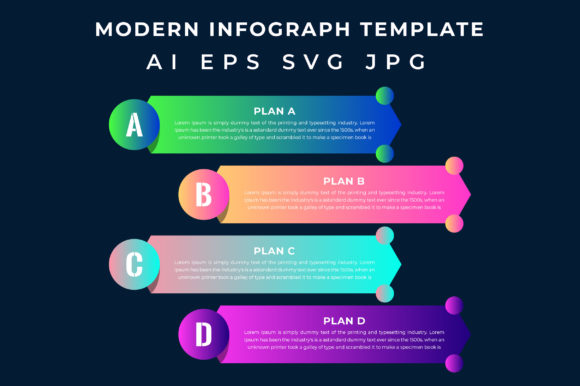
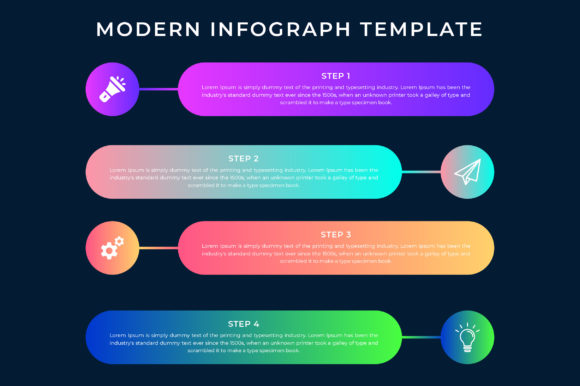
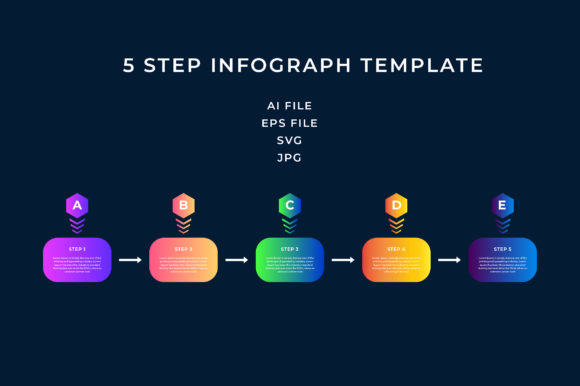
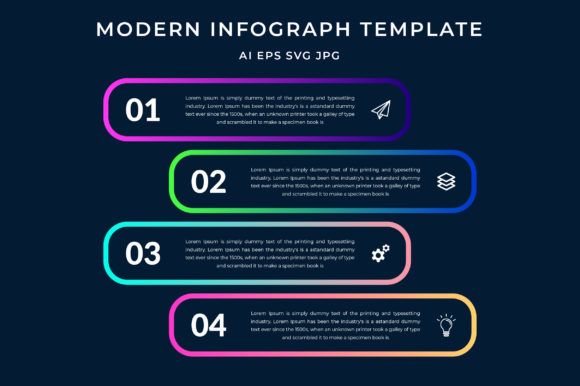
Business process infographics are visual tools that simplify and clarify complex workflows, strategies, and data. They transform intricate information into digestible, visually appealing formats that are easy to understand and share. These infographics often include flowcharts, timelines, diagrams, and step-by-step illustrations that help audiences grasp the structure and flow of business operations.
Whether you're presenting to stakeholders, training new employees, or launching a marketing campaign, business process infographics offer a powerful way to communicate ideas effectively. Designed using vector illustration tools like Adobe Illustrator (AI) or Encapsulated PostScript (EPS), these templates ensure high-quality visuals that remain sharp at any size.
Why Use a Business Process Infographic Design Template?
Using a pre-designed business process infographic template offers several key advantages:
- Time Efficiency: Ready-made templates eliminate the need to start from scratch, allowing you to focus on content rather than design.
- Professional Quality: Vector-based templates (AI 10, EPS 10) ensure scalability without loss of quality, ideal for both digital and print use.
- Consistency: Templates help maintain a uniform visual style across presentations, reports, or marketing materials.
- Customizability: With outlined fonts and layered files, you can easily edit colors, text, and icons to match your brand identity.
Who Benefits From These Templates?
Business process infographics are valuable across a wide range of industries and roles:
- Marketing Teams: Use them to explain product development cycles or customer journey maps.
- Educators: Simplify complex theories or business models for students.
- Project Managers: Visualize timelines, task dependencies, and workflow stages.
- Entrepreneurs: Present business strategies clearly to investors or partners.
How Business Infographics Enhance Presentations
In today’s fast-paced business world, attention spans are short. A well-designed infographic can capture and maintain audience interest far more effectively than dense text or bullet points. By combining visuals with concise messaging, business process infographics enhance the clarity and impact of presentations.
For instance, imagine explaining your company’s supply chain process using a multi-page document versus a single infographic. The latter allows your audience to quickly grasp how products move from suppliers to customers, identifying key stages and potential bottlenecks at a glance.
Key Elements of an Effective Business Process Infographic
To maximize the effectiveness of your infographic, consider including the following elements:
- Clear Hierarchy: Use size, color, and placement to guide the viewer’s eye through the information.
- Visual Flow: Arrows, lines, and numbered steps help illustrate the sequence of actions or decisions.
- Minimal Text: Keep explanations brief and to the point, focusing on keywords and phrases.
- Consistent Color Scheme: Align with your brand colors to reinforce recognition and professionalism.
- Icons and Illustrations: Use relevant graphics to represent concepts like communication, growth, or automation.
Practical Applications of Business Infographic Templates
Business process infographics aren’t limited to internal presentations. They have a wide variety of applications in both digital and print formats:
- Social Media Posts: Share bite-sized insights about your business model or company milestones.
- Website Content: Embed infographics to explain services, values, or strategic goals.
- White Papers and Reports: Summarize research findings or process changes in an engaging way.
- Training Materials: Help employees understand company workflows or compliance procedures.
- Event Presentations: Use them in webinars, conferences, or workshops to support your speaking points.
Example: Explaining a Sales Funnel with an Infographic
A common use of business process infographics is to visualize the sales funnel—a model that outlines how potential customers move from awareness to purchase. A well-designed infographic might include:
- Awareness: How customers discover your brand.
- Interest: How they engage with your content or products.
- Consideration: Evaluation of your offering against competitors.
- Conversion: The final purchase decision.
- Loyalty: Post-purchase engagement and retention efforts.
Each stage can be represented with icons, percentages, and directional arrows to show progression and drop-off points, helping marketers identify areas for improvement.
Choosing the Right Business Infographic Design Template
When selecting a vector-based infographic template, consider the following factors:
- File Compatibility: Ensure the template supports AI 10 or EPS 10 formats if you're using Adobe Illustrator or similar software.
- Font Outlining: Look for templates where fonts are converted to outlines to avoid display issues on different devices.
- Editability: Choose templates with clearly labeled layers and grouped elements for easy customization.
- Design Style: Match the template’s tone and aesthetics to your brand—whether modern, minimalist, or bold and colorful.
Where to Find High-Quality Templates
There are many online marketplaces and design platforms offering business infographic templates. Some popular sources include:
- Adobe Stock: Offers professional-grade vector templates compatible with Illustrator.
- GraphicRiver: Part of Envato, this site has a wide selection of affordable templates.
- Vecteezy: Provides free and premium vector graphics and infographic templates.
- Canva: While primarily a design tool, Canva also offers downloadable vector templates for business use.
Common Misconceptions About Infographic Design
Despite their popularity, several misconceptions persist about business process infographics:
- “Infographics are only for data visualization.” While data is a common element, infographics can also explain processes, ideas, and strategies.
- “Anyone can make a great infographic.” While tools are accessible, effective infographics require thoughtful design and content strategy.
- “More text equals more value.” Infographics thrive on simplicity. Too much text can overwhelm and confuse the viewer.
- “Templates limit creativity.” On the contrary, templates provide a foundation that can be customized to reflect your unique message and style.
How Infographics Fit Into Modern Business and Education
In today’s digital age, visual communication is more important than ever. Infographics bridge the gap between technical complexity and user-friendly content, making them indispensable in both business and education.
In business, they help teams align on goals, communicate strategies, and present findings to stakeholders. In education, they make abstract concepts tangible, helping students visualize relationships and processes that might otherwise be difficult to grasp.
Future Trends in Business Infographic Design
As technology evolves, so too does the world of infographic design. Some emerging trends include:
- Interactive Infographics: Web-based infographics that allow users to explore data and processes dynamically.
- Animated Infographics: Short videos or GIFs that explain processes through motion and transitions.
- Mobile-Optimized Designs: Infographics tailored for smaller screens and vertical formats.
- AI-Assisted Design: Tools that use artificial intelligence to suggest layouts, color schemes, and visual elements based on content.
Conclusion: The Power of Visual Storytelling in Business
Business process infographics are more than just pretty pictures—they are powerful tools for communication, education, and engagement. Whether you're explaining a complex workflow, summarizing data, or telling your brand’s story, a well-designed infographic can make all the difference.
By using vector-based business infographic templates, you gain access to scalable, customizable, and professional-quality visuals that enhance your presentations and marketing efforts. With the right template and a clear message, you can turn even the most intricate business process into a compelling visual narrative that resonates with your audience.