Lebanon 3D Map: Tracking the Impact of the Coronavirus Pandemic
In today’s data-driven world, visualizing the spread and impact of global events like the coronavirus pandemic is essential for understanding and decision-making. One powerful tool that has emerged is the Lebanon Affected Country 3D Map, a visually engaging and informative design that highlights the pandemic’s effects on Lebanon and surrounding regions. This article explores how this 3D map works, who can benefit from it, and why it’s a valuable resource in the context of public health awareness and communication.
What Is the Lebanon Affected Country 3D Map?
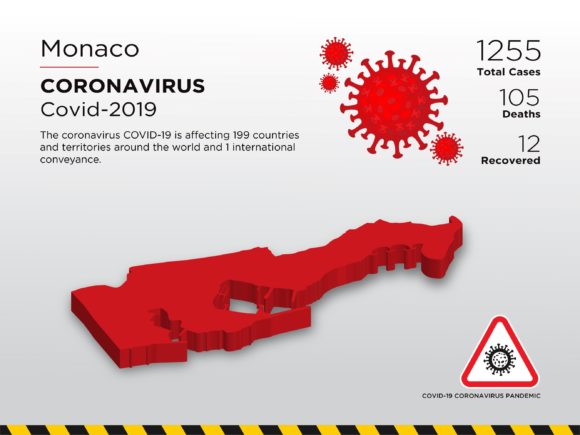
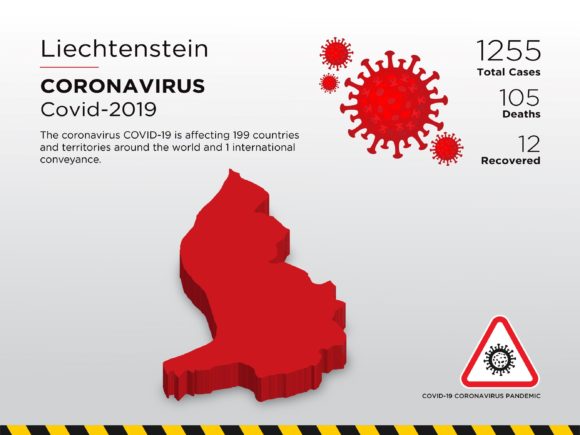
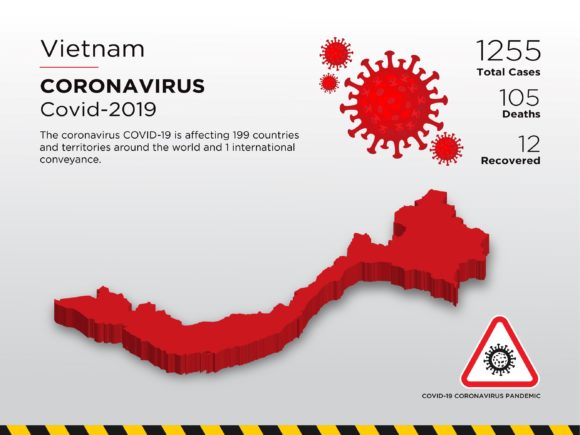
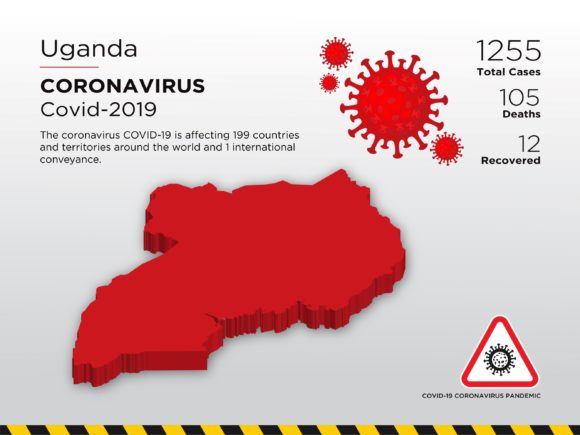
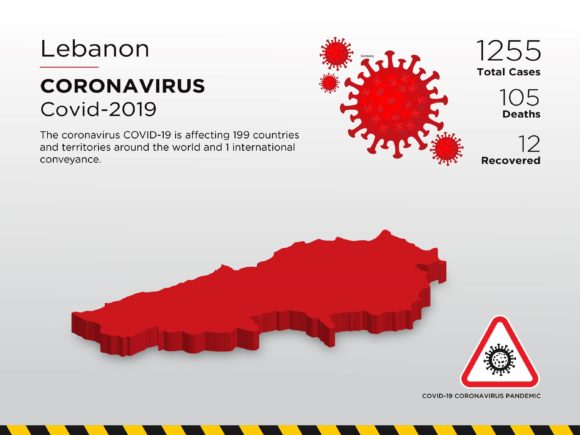
The Lebanon Affected Country 3D Map is a specialized infographic design that uses three-dimensional modeling to represent the spread and severity of the coronavirus in Lebanon and neighboring countries. It typically includes real-time or updated data on total cases, deaths, and recovered individuals, presented in a clear and visually compelling format. This type of map is part of a broader category of Coronavirus Infographics Design Templates that aim to simplify complex pandemic-related data for public consumption.
Designed using vector-based illustration techniques, the 3D map is both scalable and customizable, making it ideal for digital and print media. It often includes a color-coded system to differentiate between high-risk and low-risk areas, allowing users to quickly grasp the situation on the ground.
Why Use a 3D Map for Pandemic Data?
Traditional two-dimensional maps can sometimes lack the visual depth needed to convey urgency or severity. The 3D aspect of the Lebanon Affected Country Map adds a layer of realism and emotional impact, helping viewers better understand the gravity of the pandemic in specific regions.
- Visual Impact: The 3D format captures attention more effectively than flat maps.
- Clarity: Data points such as total cases, deaths, and recoveries are easier to interpret in a layered format.
- Engagement: These maps are ideal for use in social media posts, news articles, and educational materials due to their shareability and visual appeal.
Who Benefits from the Lebanon 3D Map?
This map serves a wide audience, from government officials and public health workers to educators, journalists, and general consumers. Here’s how different groups can benefit:
- Public Health Agencies: Use the map to monitor outbreaks, allocate resources, and communicate risk levels to the public.
- Media Outlets: Incorporate the map into news reports to provide real-time updates and enhance viewer understanding.
- Educators: Teach students about geography, epidemiology, and data visualization using real-world examples.
- Business Owners: Assess risk levels in different regions to make informed decisions about operations and travel.
- General Public: Stay informed about the pandemic’s progression in Lebanon and surrounding areas through easily digestible visuals.
Key Features of the Lebanon Affected Country 3D Map
What sets the Lebanon Affected Country 3D Map apart from other pandemic visuals is its combination of design and functionality. Some of its standout features include:
- Customizable Layers: Users can toggle between layers showing confirmed cases, active infections, deaths, and recoveries.
- Global Pandemic Context: The map often includes surrounding countries to provide a broader regional perspective.
- Flat Illustration Style: Uses a modern, clean design that aligns with current digital trends and enhances readability.
- Social Media Compatibility: Designed to be used as a social media post banner, it fits perfectly into platforms like Facebook, Instagram, and Twitter.
Where Can You Use the Lebanon 3D Map?
The versatility of the Lebanon Affected Country 3D Map makes it suitable for a variety of applications. Here are a few examples:
- News Websites: Embed the map into pandemic-related articles to provide up-to-date visuals.
- Public Health Dashboards: Use it as part of a larger data visualization dashboard to track trends over time.
- Educational Platforms: Incorporate the map into online courses or presentations about global health.
- Social Media Campaigns: Share the map as part of awareness campaigns related to quarantine, staying at home, or vaccination efforts.
Strengths and Limitations of the 3D Map Design
Like any data visualization tool, the Lebanon Affected Country 3D Map has its strengths and considerations. Understanding these can help users make the most of the resource:
Strengths:
- Highly visual and easy to interpret
- Customizable for different audiences and platforms
- Supports both static and animated formats
Limitations:
- May oversimplify complex data if not used carefully
- Requires regular updates to remain accurate and relevant
- Not suitable for detailed statistical analysis
Real-World Applications of the Lebanon 3D Map
Several organizations and individuals have successfully used the Lebanon Affected Country 3D Map to communicate critical information during the pandemic. Here are a few real-world examples:
- Ministry of Health Reports: Used to present regional data in official pandemic updates.
- News Broadcasts: Incorporated into live coverage to show the current status of the outbreak.
- Nonprofit Awareness Campaigns: Shared on social media to promote safety measures like mask-wearing and social distancing.
- University Research: Analyzed alongside other datasets to study the pandemic’s socio-economic impact.
How to Evaluate the Suitability of the Lebanon 3D Map for Your Needs
Before incorporating the Lebanon Affected Country 3D Map into your project, consider the following factors:
- Target Audience: Is the map designed for experts or the general public? Choose a version that matches your audience’s level of understanding.
- Update Frequency: Ensure the map can be updated regularly to reflect the latest data.
- Platform Compatibility: Check if the file formats (such as EPS or JPEG) are compatible with your publishing tools.
- Customization Options: Can you adjust colors, labels, or layers to suit your specific needs?
Conclusion: A Powerful Tool for Visual Communication
The Lebanon Affected Country 3D Map is more than just a visual aid — it’s a dynamic tool that brings clarity to the complex data surrounding the coronavirus pandemic. Whether you're a public health official, educator, journalist, or simply a concerned citizen, this map can help you understand the situation in Lebanon and beyond. By combining accurate data with an engaging design, it bridges the gap between information and action, making it an essential asset in the fight against global health crises.
Thank you for seeing this product. I hope you’ve found it informative and useful. If you believe others could benefit from it, feel free to recommend it — your support means a lot!