Choosing the Right Hand Sanitizer Icon for Your Design Project
Icons play a crucial role in visual communication, especially in design projects that aim to convey health, safety, or hygiene. A Hand Sanitizer Icon is more than just a decorative element—it’s a visual cue that can influence user behavior, clarify instructions, and enhance the overall message of your content. Whether you're working on infographics, marketing materials, or digital interfaces, selecting the right icon is essential for clarity and effectiveness.
Why the Hand Sanitizer Icon Matters
The global shift toward hygiene awareness has made the Hand Sanitizer Icon a staple in design projects related to health, safety, and wellness. From public signage to digital dashboards, this icon helps communicate the importance of cleanliness in a universally recognizable way. However, not all icons are created equal, and choosing the wrong one can lead to confusion, misinterpretation, or a disjointed visual style.
Common Mistakes When Selecting a Hand Sanitizer Icon
Many designers, especially those new to the field or working under tight deadlines, overlook key considerations when selecting a Hand Sanitizer Icon. Here are some common pitfalls and how to avoid them:
- Ignoring Visual Consistency – Mixing icon styles within the same project can create visual clutter. For example, using a flat-style hand sanitizer icon alongside detailed, realistic icons can confuse the viewer and reduce the design’s professionalism.
- Overlooking File Compatibility – Designers sometimes download an icon only to realize it’s not available in the format they need. The Hand Sanitizer Icon should ideally come in multiple file types—SVG, EPS, AI, and PNG—to ensure flexibility across platforms and design tools.
- Misjudging Scalability – A low-resolution PNG might look fine on a mobile screen but will pixelate when used on a large poster or banner. Vector formats like SVG or AI are preferable for scalability without loss of quality.
- Failing to Check Licensing – Not all icons are free to use, especially in commercial projects. Always verify the licensing terms before downloading or purchasing a Hand Sanitizer Icon to avoid legal issues later.
- Using Generic or Misleading Imagery – Some icons may depict ambiguous or outdated representations of hand sanitizing, such as a bottle with no clear indication of hygiene. A well-designed icon should clearly communicate the intended action without confusion.
How These Mistakes Affect Your Design
Choosing the wrong Hand Sanitizer Icon can have real-world consequences. For instance, if an icon in a public health campaign is too abstract or inconsistent with other visuals, it might reduce the message’s impact or even mislead the audience. Similarly, using a poorly scaled icon in a professional presentation can make the design appear amateurish, undermining your credibility.
In commercial or marketing contexts, these mistakes can affect brand perception. A mismatched or low-quality icon might suggest a lack of attention to detail, which can translate into reduced trust from your audience. In digital applications, unclear icons can lead to poor user experience and lower engagement.
Practical Advice for Choosing the Right Icon
To ensure your design communicates effectively and looks polished, follow these practical guidelines when selecting a Hand Sanitizer Icon:
- Match the Style – Choose an icon that aligns with the visual language of your project. If you're using flat design elements, opt for a flat-style hand sanitizer icon. Consistency in line weight, color palette, and detail level will help maintain a cohesive look.
- Check File Formats – Always verify that the icon comes in multiple formats. SVG is ideal for web use due to its scalability, while AI or EPS files are better for print or advanced editing in Adobe Illustrator.
- Test for Scalability – Before finalizing your choice, test how the icon appears at different sizes. Vector formats will hold up better across scales, ensuring clarity whether it's used on a smartphone or a billboard.
- Review Licensing Terms – Confirm whether the icon is free for personal or commercial use. Some platforms offer icons under Creative Commons licenses, which may require attribution or restrict modifications.
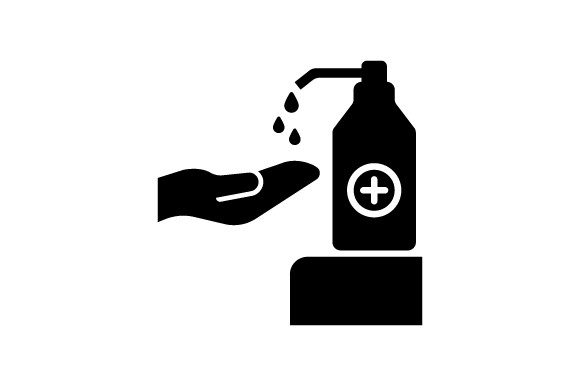
- Opt for Clarity and Recognition – The best Hand Sanitizer Icon is one that instantly conveys its purpose. Look for icons that show a clear representation of hand sanitizing—such as a hand pump bottle or a hand being sprayed—without unnecessary complexity.
Real-World Examples and Better Approaches
Consider a scenario where a small business owner is creating a flyer to promote hand hygiene in their store. They download a generic icon from a free stock site, only to find that it's a low-resolution PNG with a blurry outline. When printed, the icon appears pixelated and unprofessional, making the entire flyer look rushed.
A better approach would be to invest in a high-quality Hand Sanitizer Icon that comes with vector files and clear licensing. This ensures the icon remains sharp at any size and can be adjusted to match the brand colors. The result is a polished, trustworthy design that effectively communicates the intended message.
What to Check Before Downloading or Buying
Before committing to a Hand Sanitizer Icon, ask yourself the following questions:
- Is the icon available in multiple formats (SVG, EPS, AI, PNG)?
- Can it be easily customized in terms of color and size?
- Is it clearly representative of hand sanitizing without ambiguity?
- What are the licensing terms, and are they compatible with my project’s use?
- Does it visually align with the other icons or design elements I’m using?
Answering these questions will help you avoid costly design revisions and ensure your project maintains a professional standard.
Final Thoughts
A well-chosen Hand Sanitizer Icon can elevate your design and enhance communication, especially in projects related to health and safety. By avoiding common mistakes and prioritizing quality, consistency, and compatibility, you’ll ensure your design remains effective and visually appealing across platforms and audiences. Whether you're a seasoned designer or just starting out, taking the time to select the right icon is a small step that makes a big difference.