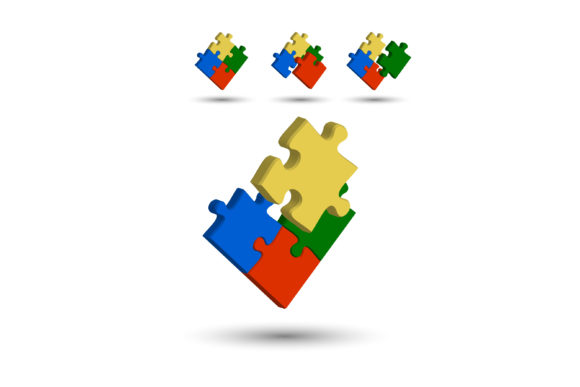
3D Jigsaw Puzzle Templates for Creative Design Projects
Designers are constantly seeking fresh visual metaphors that communicate complexity, collaboration, and innovation. The Pieces of 3D Jigsaw Puzzles. Template offers a compelling solution, blending dimensional depth with modular design to create engaging visuals across branding, web, and print media. Whether used in editorial layouts, UI design, or promotional materials, these templates help illustrate processes, strategic thinking, and interconnected ideas with a modern, tactile aesthetic.
Why 3D Jigsaw Puzzle Templates Matter in Graphic Design
Unlike flat illustrations, 3D jigsaw puzzle templates bring a sense of realism and interactivity to design. They can be used to visualize how different elements come together—perfect for infographics, presentations, and brand storytelling. When integrated thoughtfully, they enhance visual hierarchy and support the narrative of unity, problem-solving, or strategic alignment, making them a valuable asset in a designer’s toolkit.
Applications in Branding and Identity Design
In brand identity systems, these templates can be repurposed into logo concepts, pattern elements, or interactive brand guides. For example, a tech startup emphasizing collaboration might incorporate puzzle pieces into their brand assets to symbolize teamwork and innovation. When paired with a clean color palette and modern typography, the result is both professional and conceptually rich.
Practical Uses Across Design Disciplines
- Marketing materials: Use puzzle templates to represent market strategies or customer journeys.
- Social media graphics: Create engaging posts that illustrate decision-making, brainstorming, or team dynamics.
- Web and UI design: Integrate animated puzzle pieces to guide user interactions or explain onboarding processes.
- Packaging design: Add a tactile, interactive layer to product boxes or limited-edition merchandise.
Design Tips for Using 3D Puzzle Templates
To maximize the visual impact of 3D jigsaw puzzle templates, consider the following:
- Maintain consistency: Ensure all puzzle pieces share the same lighting, texture, and perspective for a cohesive look.
- Balance complexity: Avoid overcrowding compositions—let the puzzle elements enhance rather than dominate the layout.
- Use smart color choices: Stick to your brand’s color palette to keep the design aligned with your visual identity.
- Ensure scalability: Vector-based templates allow for resizing without loss of quality—ideal for both digital and print use.
Enhancing Visual Communication with Creative Assets
High-quality templates like the Pieces of 3D Jigsaw Puzzles. Template serve as more than just decorative elements—they support storytelling and information architecture. In editorial design, for instance, they can illustrate how different topics interconnect. In advertising, they can symbolize solutions to complex problems. When used in presentations, they visually reinforce key messages around collaboration and strategic thinking.
For best results, pair these templates with strong typography and intentional white space. This ensures clarity and maintains a premium, modern aesthetic across platforms. Designers working in UX or web development can also animate these elements subtly to guide user attention or demonstrate interactive processes.
Ultimately, the right creative assets—like the Pieces of 3D Jigsaw Puzzles. Template—can elevate a design from functional to memorable. By choosing visuals that align with your message, maintaining visual consistency, and prioritizing user experience, you create content that communicates clearly, engages effectively, and stands out in today’s competitive design landscape.